top of page
Home
Bio
Pricing
Merch
Podcast Network
Advertise with Us
Be Our Guest
Academy
Learning Catalog
Learners at a Glance
The ROI of Certification
Corporate L&D Solutions
Research
Research Initiatives
Nexus Institute
Catalyst Center
Adadptive Organization Lab
Future of Work Collective
Renaissance Project
Collaboration Form
Research Models and Tools
Research One Sheets
Research Snapshots
Research Videos
Research Briefs
Free Educational Resources
HCL Review
Contribute to the HCL Review
HCL Review Archive
HCL Review Slide Decks and Infographics
HCL Review Process
HCL Review Reach and Impact
HCI Press
From HCI Academic Press
From HCI Popular Press
Publish with HCI Press
Free OER Texts
Our Impact
Invest with HCI
Industry Recognition
Philanthropic Impact
Kiva Lending Impact
More
Use tab to navigate through the menu items.
The Transatlantic AI Divide: Understanding Adoption Gaps and Their Economic Implications
NEXUS INSTITUTE FOR WORK AND AI
8 hours ago
20 min read
Participative Leadership and Employee Creativity: Building Psychological Safety in the Modern Workplace
CATALYST CENTER FOR WORK INNOVATION
1 day ago
15 min read
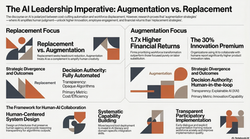
AI-Driven Workforce Restructuring: The De-Coring Phenomenon and Its Implications for Sustainable Talent Development
NEXUS INSTITUTE FOR WORK AND AI
2 days ago
51 min read
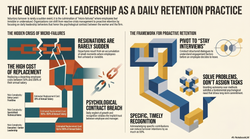
The Quiet Exit: How Everyday Leadership Failures Drive Voluntary Turnover
CATALYST CENTER FOR WORK INNOVATION
3 days ago
31 min read
The Four Agreements for the Age of Artificial Intelligence: Preserving Human Consciousness in Technological Partnership
NEXUS INSTITUTE FOR WORK AND AI
4 days ago
24 min read
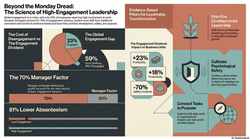
When Monday Morning Dread Signals Deeper Dysfunction: Evidence-Based Leadership Practices That Transform Workplace Engagement
CATALYST CENTER FOR WORK INNOVATION
5 days ago
24 min read
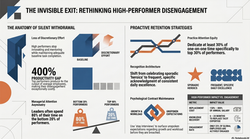
Why Great Employees Quietly Check Out Before They Quit: The Hidden Crisis of Silent Disengagement
CATALYST CENTER FOR WORK INNOVATION
6 days ago
26 min read
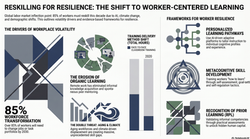
Reskilling for Resilience: Preparing Workers for the Dynamic Demands of Tomorrow's Workplace
CATALYST CENTER FOR WORK INNOVATION
Aug 11
27 min read
The Rationality Illusion: Why AI-Driven Decision Systems Undermine Organizational Intelligence
NEXUS INSTITUTE FOR WORK AND AI
Aug 10
27 min read
Navigating Careers Without Clear Pathways: Supporting Workers and Learners in Today's Fragmented Labor Market
CATALYST CENTER FOR WORK INNOVATION
Aug 9
37 min read
Human Capital Leadership Review
Linda Galindo on Accountability Thieves, Burnout, and the Real Cause of Quiet Quitting
2 hours ago
5 min read
CalmiGo Expands Workplace Mental Health Benefits with JOON Partnership
2 hours ago
3 min read
SMBs Attract Talent with AI Upskilling as Large Firms Cut Jobs and Benefits, Study Finds
2 hours ago
4 min read
The Transatlantic AI Divide: Understanding Adoption Gaps and Their Economic Implications
NEXUS INSTITUTE FOR WORK AND AI
8 hours ago
20 min read
How AI Helps Small Businesses Deliver Better Service and Grow Smarter
21 hours ago
5 min read
Layoff Damage Lingers: 1 in 4 Companies Say Culture Still Hasn't Recovered
1 day ago
3 min read
Participative Leadership and Employee Creativity: Building Psychological Safety in the Modern Workplace
CATALYST CENTER FOR WORK INNOVATION
1 day ago
15 min read
AI-Driven Workforce Restructuring: The De-Coring Phenomenon and Its Implications for Sustainable Talent Development
NEXUS INSTITUTE FOR WORK AND AI
2 days ago
51 min read
The Quiet Exit: How Everyday Leadership Failures Drive Voluntary Turnover
CATALYST CENTER FOR WORK INNOVATION
3 days ago
31 min read
1
2
3
4
5
HCL Review Research Videos
HCL Review Research Infographics
Blog: HCI Blog
Human Capital Leadership Review
Featuring scholarly and practitioner insights from HR and people leaders, industry experts, and researchers.
Human Capital Innovations
Play Video
Play Video
25:41
A Debate about the Moral Crisis of Disposability in the AI Era
This research explores the burgeoning moral and economic crisis of "disposability" within the modern workforce, a trend significantly intensified by the rise of artificial intelligence. Approximately 35% of American workers now occupy precarious roles as contractors, freelancers, or marginal employees who lack job security, benefits, and organizational commitment. While companies often adopt these "disposable" models to minimize short-term costs, the research highlights severe hidden consequences, including diminished productivity, higher safety risks, and profound psychological distress for individuals. To counter this dehumanization, the research showcases successful organizations that prioritize procedural justice, transparent communication, and worker investment. Ultimately, the research argues for a fundamental shift in policy and corporate governance to restore human dignity and protect the social contract in an increasingly automated age. See Privacy Policy at https://art19.com/privacy and California Privacy Notice at https://art19.com/privacy#do-not-sell-my-info.
Play Video
Play Video
59:49
A Conversation about the Moral Crisis of Disposability in the AI Era
This research explores the burgeoning moral and economic crisis of "disposability" within the modern workforce, a trend significantly intensified by the rise of artificial intelligence. Approximately 35% of American workers now occupy precarious roles as contractors, freelancers, or marginal employees who lack job security, benefits, and organizational commitment. While companies often adopt these "disposable" models to minimize short-term costs, the research highlights severe hidden consequences, including diminished productivity, higher safety risks, and profound psychological distress for individuals. To counter this dehumanization, the research showcases successful organizations that prioritize procedural justice, transparent communication, and worker investment. Ultimately, the research argues for a fundamental shift in policy and corporate governance to restore human dignity and protect the social contract in an increasingly automated age. See Privacy Policy at https://art19.com/privacy and California Privacy Notice at https://art19.com/privacy#do-not-sell-my-info.
Play Video
Play Video
03:26
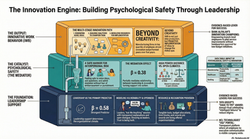
Architecting Innovation
This research explores how participative leadership serves as a vital driver of employee creativity and organizational resilience in volatile markets. By involving staff in decision-making and sharing information transparently, leaders foster a sense of psychological safety, which acts as a bridge for innovation and risk-taking. The research indicates that while structural changes like delegation and open communication are necessary, the true catalyst for creative performance is an interpersonal climate where workers feel secure sharing novel ideas without fear of retribution. To sustain this environment, organizations must embed inclusive practices into their operating systems, including performance reviews and strategic planning. Ultimately, the research argues that modern leadership effectiveness depends on nurturing human potential through authentic collaboration rather than traditional command-and-control hierarchies.
Play Video
Play Video
09:22
Architecting Innovation - The Mediation Model of Psychological Safety
This research explores how participative leadership serves as a vital driver of employee creativity and organizational resilience in volatile markets. By involving staff in decision-making and sharing information transparently, leaders foster a sense of psychological safety, which acts as a bridge for innovation and risk-taking. The research indicates that while structural changes like delegation and open communication are necessary, the true catalyst for creative performance is an interpersonal climate where workers feel secure sharing novel ideas without fear of retribution. To sustain this environment, organizations must embed inclusive practices into their operating systems, including performance reviews and strategic planning. Ultimately, the research argues that modern leadership effectiveness depends on nurturing human potential through authentic collaboration rather than traditional command-and-control hierarchies.
Play Video
Play Video
22:33
A Debate about Participative Leadership and Employee Creativity
This research explores how participative leadership serves as a vital driver of employee creativity and organizational resilience in volatile markets. By involving staff in decision-making and sharing information transparently, leaders foster a sense of psychological safety, which acts as a bridge for innovation and risk-taking. The research indicates that while structural changes like delegation and open communication are necessary, the true catalyst for creative performance is an interpersonal climate where workers feel secure sharing novel ideas without fear of retribution. To sustain this environment, organizations must embed inclusive practices into their operating systems, including performance reviews and strategic planning. Ultimately, the research argues that modern leadership effectiveness depends on nurturing human potential through authentic collaboration rather than traditional command-and-control hierarchies. See Privacy Policy at https://art19.com/privacy and California Privacy Notice at https://art19.com/privacy#do-not-sell-my-info.
Play Video
Play Video
55:24
A Conversation about Participative Leadership and Employee Creativity
This research explores how participative leadership serves as a vital driver of employee creativity and organizational resilience in volatile markets. By involving staff in decision-making and sharing information transparently, leaders foster a sense of psychological safety, which acts as a bridge for innovation and risk-taking. The research indicates that while structural changes like delegation and open communication are necessary, the true catalyst for creative performance is an interpersonal climate where workers feel secure sharing novel ideas without fear of retribution. To sustain this environment, organizations must embed inclusive practices into their operating systems, including performance reviews and strategic planning. Ultimately, the research argues that modern leadership effectiveness depends on nurturing human potential through authentic collaboration rather than traditional command-and-control hierarchies. See Privacy Policy at https://art19.com/privacy and California Privacy Notice at https://art19.com/privacy#do-not-sell-my-info.
Play Video
Play Video
07:19
The Deployment Paradox - Why 75 AI Adoption Yields Zero Aggregation
This research explores the complex transition from initial corporate adoption of generative AI to its meaningful integration within workplace operations. While software access has expanded rapidly, research indicates that larger, resource-rich firms are the primary leaders in deepening their usage over time. The data highlights a shifting workforce dynamic, where early-career employees often use these tools more intensely than senior leadership across various departments. Significant challenges remain, as many organizations struggle to turn individual time savings into measurable, company-wide productivity gains. Ultimately, the research argues that long-term success requires rethinking internal workflows, investing in data infrastructure, and fostering a culture of continuous organizational learning.
Play Video
Play Video
02:54
The AI Deployment Paradox
This research explores the complex transition from initial corporate adoption of generative AI to its meaningful integration within workplace operations. While software access has expanded rapidly, research indicates that larger, resource-rich firms are the primary leaders in deepening their usage over time. The data highlights a shifting workforce dynamic, where early-career employees often use these tools more intensely than senior leadership across various departments. Significant challenges remain, as many organizations struggle to turn individual time savings into measurable, company-wide productivity gains. Ultimately, the research argues that long-term success requires rethinking internal workflows, investing in data infrastructure, and fostering a culture of continuous organizational learning.
HCL Review Articles
All Articles
Nexus Institute for Work and AI
Catalyst Center for Work Innovation
Adaptive Organization Lab
Work Renaissance Project
Research Briefs
Research Insights
Webinar Recaps
Book Reviews
Transformative Social impact
Search
Jul 27, 2025
6 min read
RESEARCH INSIGHTS
Creating a Supportive Environment for Psychological Safety
bottom of page