





How to Build Generational Loyalty in Your Workforce
- Jeff Ustin
- 1 day ago
- 4 min read

Real retention stories start in small, human moments that compound over years. It is when someone feels respected on their first day, supported through a family crisis, and trusted with more responsibility long before they get a new title.
At our company, those moments have stretched across generations. Many of our people have stayed 40 years or more. Their kids now work in the business. That kind of tenure does not come from trendy engagement programs. It comes from how people are treated, day after day, decade after decade.
Put simply, the retention equation is built on respect, mutual loyalty, and long-term trust. Everything else is secondary.
Retention Starts With How People Are Treated
“Treat people how you want to be treated” sounds almost too simple and cliché. Yet in many organizations, it is not always observed.
I grew up hearing that principle from my dad. To him, it was the key to keeping employees. Of course, pay matters. Benefits matter. The physical environment matters. Still, none of that makes up for a culture where people feel disrespected or invisible.
Our long-tenured employees almost always describe the same throughline. They feel seen. Leaders know their names, ask about their families, and just care about what is happening in their lives. Our people are not treated as mere headcount.
Moreover, respect is a leadership behavior. Respect is reflected when managers are consistent rather than unpredictable, present rather than distracted, listening instead of just talking. And it has to be modeled from the top. When founders and executives show respect in how they speak, decide, and show up under pressure, they give everyone else permission (and an example) to do the same.
When your people experience courtesy and fairness, they stay through hard seasons. When they experience incivility or disrespect, they leave, even if the pay is competitive.
Loyalty Is Earned, Not Expected
Many leaders still talk about loyalty as something employees owe the company. The truth runs in the other direction. Loyalty is earned when leaders show up for people, over and over, through good years and bad ones.
For us, loyalty is a value you can see in the numbers. We have team members who just retired after 45-year careers. We also have Jaime, who started with us when he was just about 16. He stayed, grew, and now serves as a key manager at the Van Nuys plant. He did not stay this long because we asked him to be “loyal.” He stayed because leadership believed in him and stayed loyal to him.
Remember that trust functions similarly to compound interest. Every promise kept, each gesture of help, and every instance of genuine appreciation all contribute to the balance. That eventually develops into a culture of continuity where new employees can pick up insights from those who have been there for 20, 30, or even 40 years. A cross-generational workforce with operational expertise, institutional memory, and real pride is then established.
That kind of loyalty cannot be demanded. It is earned by the decisions you make for your people, particularly when those decisions are inconvenient.
Growth Does Not Always Require a Promotion
The idea that people will only stay if they are promoted up the organizational chart is one of the unspoken misconceptions surrounding talent strategy. Although titles and promotions are important, employees can progress in other capacities as well.
In long-tenured organizations, you often see a different pattern. Because their people are trusted, they stick around. They mentor others, develop fresh skills, and assume greater responsibility. While their titles don't change every few years, their roles do. Workplaces that do not require employees to leave in order to advance are conducive to career longevity.
One of our employees, Debbie, is an excellent example. She joined us in the 80s and has been with us for a little over forty years. She evolved with the business. Our systems changed, the company grew, and she became a cultural anchor who knows the history, the people, and the why behind key decisions. Her growth was not about climbing a ladder. It was about deepening her impact in a role that fit her.
For leaders, that means rethinking what progression looks like. When employees see they can deepen their impact without leaving, career longevity won’t feel like stagnation.
The retention equation does not need to be complicated. Respect people. Invest in mutual loyalty. Create space for growth that fits who they are. If you do those things consistently over the years, your workforce stops turning over every few seasons. Families will build their lives around your company. Knowledge stays instead of walking out the door.
You still need competitive pay and relevant benefits. Trends in engagement technology still matter. But those are multipliers, not the base equation. The base is how you treat people when no one is filling out a survey.

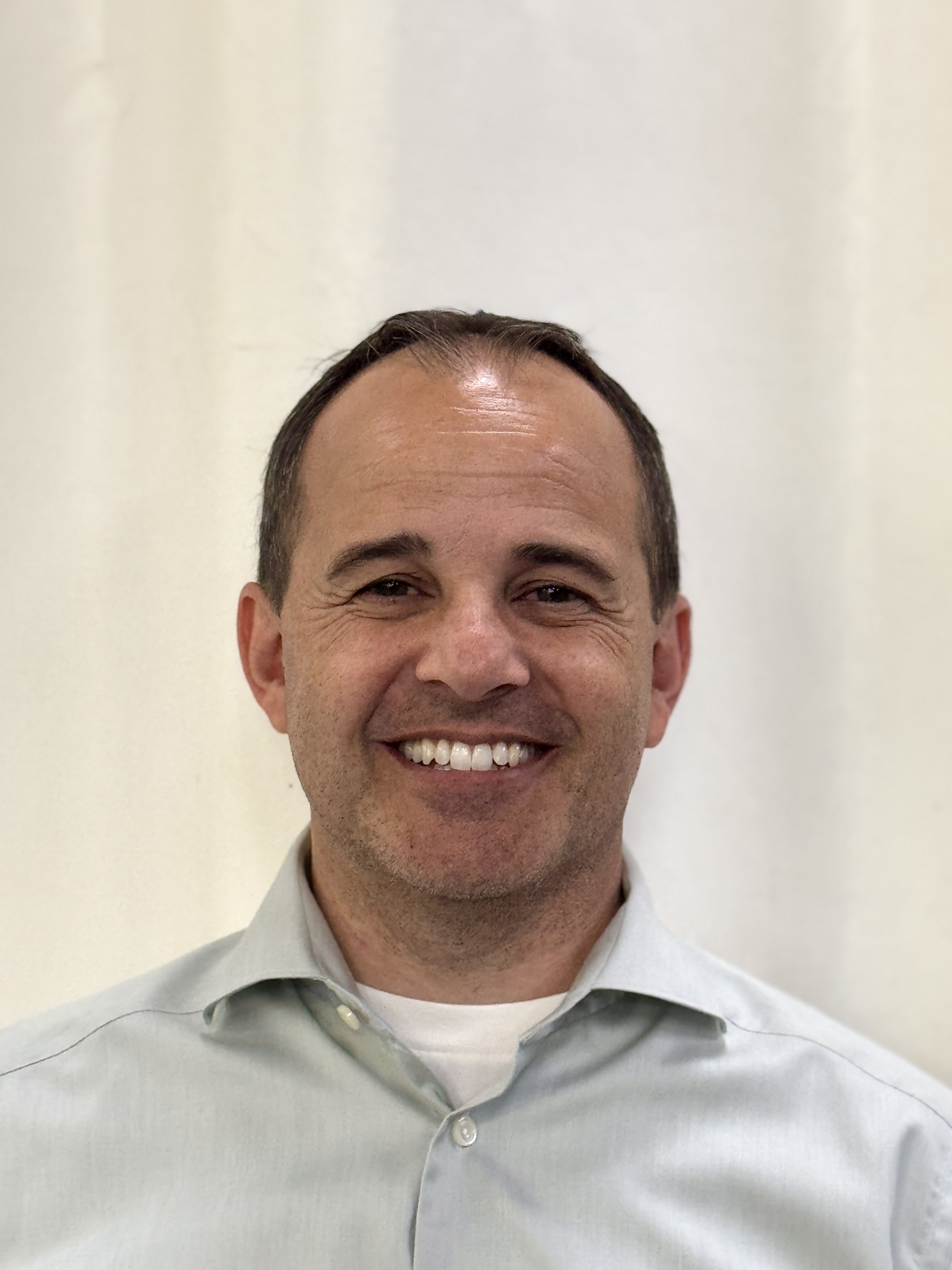
Jeff Ustin is the Vice President of Western Bagel, the first bagel shop in Los Angeles. He helps carry on his great-grandfather’s 75-year legacy while leading the brand’s national and international expansion. Under his leadership, Western Bagel has become a West Coast staple, blending New York tradition with LA innovation. Carrying on a rich 75-year legacy, Jeff is the great-grandson of David Ustin, a union bagel baker from New York City who founded Western Bagel in 1947. Jeff grew up immersed in the business, learning every aspect from sweeping floors at 3 AM with his father, Steve, to managing retail stores. Under his leadership, Western Bagel continues to blend New York tradition with LA innovation, expanding its reach nationally and internationally while preserving its strong family values and commitment to employee.


