





The Rotten Apple: How Small Negative Behaviors Can Spread and Impact an Entire Team
- Jonathan H. Westover, PhD
- Aug 21, 2025
- 6 min read


Listen to this article:
Abstract: This article explores how disruptive behaviors from a single employee can spread to negatively impact an entire work team if not properly addressed. Grounded in research on social comparison theory, conformity bias, and group dynamics, it examines the psychological processes by which poor conduct becomes normalized and erodes team culture over time. The article then presents strategies leaders can implement to prevent toxicity from spreading, such as establishing clear behavioral standards, fostering psychological safety to encourage issue reporting, conducting proactive performance management, and cultivating an inclusive and flexible work environment. With an understanding of these underlying mechanisms and researched countermeasures, managers can safeguard team functioning and productivity from being corrupted by problematic peers.
As a management consultant and researcher, one of the most common challenges I see companies face is dealing with problematic employee behavior and the impact it can have on entire teams and workgroups. While sometimes it's an easy fix to dismiss the one "bad apple," more often than not there are underlying dynamics at play that allow poor behaviors to fester and spread.
Today we will explore research-backed insights and practical strategies on how to prevent toxicity from corrupting an otherwise healthy team.
Understanding the Psychological Dynamics at Play
Before jumping straight to solutions, it's important to understand why and how problematic behaviors spread on teams in the first place. Research shows there are distinct psychological processes that can lead an entire group to become disengaged or dysfunctional due to the actions of just one member.
Festinger (1954) described the concept of social comparison, where individuals evaluate their own opinions, attitudes, and abilities by comparing themselves to others. On teams, this means others will naturally look to their peers for cues on appropriate and expected behaviors. If one person engages in counterproductive work behaviors like absenteeism, shirking responsibilities, or interpersonal aggression, it signals to the rest of the group that such conduct is tolerated (Vardi & Wiener, 1996). Over time, as more members engage in these negative behaviors to fit in socially, it erodes the overall standards and norms of the group (Gloor, 2017).
Additionally, studies show groups are more likely to conform to a deviant member than a conforming one due to conformity bias (Asch, 1955). Essentially, disruptive or difficult behaviors grab more attention, making it harder for team members to ignore poor examples being set by problematic peers. While concerning, understanding these unconscious psychological tendencies helps leaders proactively counter their influence through careful management of group norms and dynamics.
Establishing Clear Expectations of Conduct
The first step in preventing toxicity from spreading is establishing clear expectations for individual and team behaviors through a thoughtful code of conduct. Research finds groups perform better when members understand what is expected of them and what they can expect from others (Mathieu et al., 2000). Taking the time upfront to outline behavioral standards and values, obtain buy-in, and ensure comprehensive communication sets the stage for healthy functioning.
For example, at a global engineering firm I worked with, ambiguous guidelines around work hours, communication styles, and interpersonal interactions led to clashes between virtual teams from different cultures and generations. We helped leadership develop a detailed code focused not just on work product but also respect, flexibility, and relationship-building. Simply having these behavioral ground rules in writing equipped managers to address issues proactively and gave all employees a shared framework to work within harmoniously.
Creating Psychological Safety and a Speak-Up Culture
While expectations set the boundaries, an environment where people feel comfortable speaking up about concerns is key to addressing issues early before they escalate. Research on team effectiveness consistently points to psychological safety - a shared belief that the team is safe for interpersonal risk taking - as vital for high performance, learning, and improvement (Edmondson, 1999). When people are afraid to point out problems, toxic behaviors are more likely to fester below the surface.
To promote speaking up, again clear is important. At a healthcare technology company, we found managers were unintentionally discouraging transparency through ambiguous responses when people did flag concerns. We worked with leadership to develop empathetic listening techniques and to always provide transparent follow ups demonstrating their commitment to continuous betterment. Simply changing how issues were handled built greater trust over time for people to keep raising the bar without fear of negative consequences like blame.
Adopting an inquiry-based approach to conflict resolution also establishes that problems are viewed as opportunities to learn rather than personal attacks. For example, at an IT services firm, questions like "help me understand your perspective" and "what ideas do you have for improving this process" when addressing a dispute signaled to employees that leadership was less interested in fault than in moving forward productively. Such small changes to communication go a long way in preventing tension from brewing unaddressed.
Proactive Performance Management
While psychological safety and clear conduct expectations set the stage, research also shows managers must engage in ongoing performance management to catch and correct behaviors that don't align before they spread. Regular check-ins that include objective feedback help employees self-monitor their impact and contribution (DeNisi & Kluger, 2000). It provides coaching to get problematic behaviors back on track before others are influenced.
For instance, at a creative agency I advised, lack of follow up allowed frustrations to fester between an art director whose personality clashed with the team. Only after complaints reached a head did leadership realize his unaddressed communication issues over months had created an "us vs. them" mentality that damaged culture. Going forward, they instituted more proactive check-ins and feedback to give both praise and redirection far earlier when issues arose.
Leaders must also feel empowered to take action when less formal approaches don't resolve issues. While dismissal should always be a last resort, research shows merely tolerating counterproductive employees enables toxic dynamics to corrode culture and productivity over the long run (Gloor, 2017). At a legal nonprofit, the executive team I worked with struggled to terminate a toxic attorney due to fear of legal challenges - only recognizing in hindsight how much damage had been done by waiting too long as his influence spread.
Fostering an Inclusive and Flexible Culture
A final important lever for reducing the spread of toxicity is fostering an inclusive, flexible and engaged organizational culture. When people feel heard, respected and invested in their work, they are far less likely to be swayed towards disengagement or counterproductive actions by a single difficult colleague.
Research clearly links diversity and inclusion to greater creativity, innovation and performance due to the variety of perspectives involved in problem-solving (Richard et al., 2003). For example, at a manufacturing plant we partnered with, efforts to make different shifts and roles more accessible to all demographics not only addressed retention challenges but also muted the impact of any single disgruntled employee through broader engagement.
Similarly, flexibility that empowers autonomy and distributes decision-making dilutes dependence on a few critical individuals. For instance, at an accounting firm where authority was tightly centralized, a partner's retirement created massive transition difficulties as their influence and expertise had not been shared. We helped restructure workflows and leadership to distribute knowledge more horizontally and avoid outsized strategic rely on any single person.
Conclusion
While the corrupting influence of even one toxic employee may seem insignificant, research underscores why and how such dynamics can metastasize to impact entire teams if not addressed proactively and systemically. Leaders play a vital role in preventing interpersonal tensions or disengagement from spreading by establishing clear conduct standards, a speak-up culture built on psychological safety, ongoing performance management, and an inclusive, flexible organizational environment where no single person's actions or attitudes can come to overly define the broader culture. With focused effort, leaders can help nurture team cohesion and camaraderie that makes members resistant to negative influence from problematic peers.
References
Asch, S. E. (1955). Opinions and social pressure. Scientific American, 193(5), 31-35.
DeNisi, A. S., & Kluger, A. N. (2000). Feedback effectiveness: Can 360-degree appraisals be improved?. The Academy of Management Executive, 14(1), 129-139.
Edmondson, A. (1999). Psychological safety and learning behavior in work teams. Administrative Science Quarterly, 44(2), 350–383.
Festinger, L. (1954). A theory of social comparison processes. Human relations, 7(2), 117-140.
Gloor, P. A. (2017). Swarm creativity: Competitive advantage through collaborative innovation networks. Oxford University Press.
Mathieu, J., Maynard, M. T., Rapp, T., & Gilson, L. (2008). Team effectiveness 1997-2007: A review of recent advancements and a glimpse into the future. Journal of management, 34(3), 410-476.
Richard, O. C., Kochan, T. A., & McMillan-Capehart, A. (2002). The impact of visible diversity on organizational effectiveness: Disclosing the contents in Pandora's black box. Journal of Business and Management, 8(3), 265-291.
Vardi, Y., & Wiener, Y. (1996). Misbehavior in organizations: A motivational framework. Organization science, 7(2), 151-165.
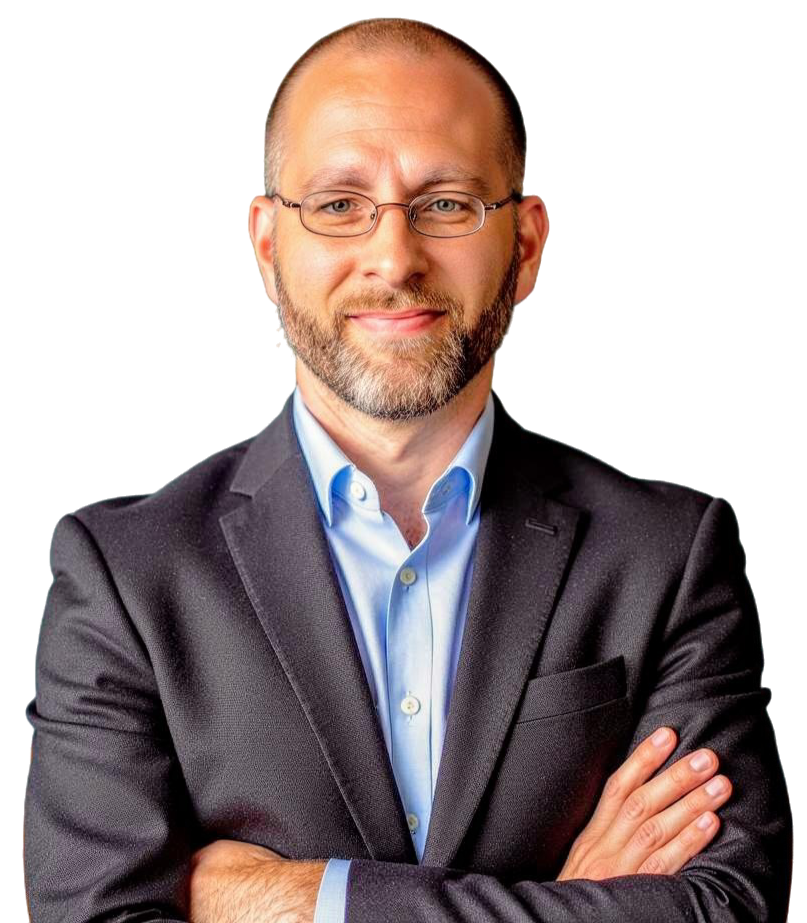
Jonathan H. Westover, PhD is Chief Academic & Learning Officer (HCI Academy); Associate Dean and Director of HR Programs (WGU); Professor, Organizational Leadership (UVU); OD/HR/Leadership Consultant (Human Capital Innovations). Read Jonathan Westover's executive profile here.
Suggested Citation: Westover, J. H. (2025). The Rotten Apple: How Small Negative Behaviors Can Spread and Impact an Entire Team. Human Capital Leadership Review, 24(3). doi.org/10.70175/hclreview.2020.24.3.6


