Stop Losing Talent: The 2026 Benefits Playbook The traditional employer-employee relationship is undergoing a profound transformation, evolving from a transactional exchange of time for pay into a holistic partnership centered on comprehensive employee well-being. Today’s workforce demands benefits that address the whole person—not just basic health insurance and retirement plans but an integrated ecosystem supporting physical health, mental and emotional wellness, financial stability, and caregiving needs. This shift is driven by a recognition that these aspects are deeply interconnected and impact not only employees’ personal lives but also their productivity and engagement at work.
Highlights
🌍 Employee benefits are evolving from basic perks to a holistic wellness ecosystem addressing physical, mental, financial, and caregiving needs.
💪 Holistic health programs prioritize prevention, chronic disease management, and proactive care to improve overall well-being.
🧠 Mental health support includes confidential therapy, resilience tools, manager training, and stigma reduction efforts.
💰 Financial wellness initiatives provide coaching, debt management, and planning resources to reduce stress and enhance stability.
👶 Caregiving support helps employees balance work and family with child/elder care, paid leave, and flexible scheduling.
🤖 Technology enables seamless, personalized access to benefits via AI-driven, integrated digital platforms with privacy and equity considerations.
🔄 Future benefits require adaptive, equity-centered designs that evolve with diverse employees’ changing needs and life circumstances.
Key Insights
🌐 Holistic Approach as a Strategic Imperative: The shift to viewing employees as whole humans integrating physical, mental, financial, and caregiving dimensions reflects a deep strategic transformation. Companies embracing this model gain competitive advantage by fostering resilience and loyalty, which directly impact performance and innovation. This is no longer a ‘nice-to-have’ but a necessity to attract and retain talent in a competitive landscape.
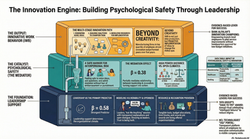
🛡️ Psychological Safety and Loyalty Enable Innovation: Building psychological safety through comprehensive well-being programs encourages employees to take calculated risks and be more innovative. When people feel supported across life domains, their engagement rises, leading to higher revenue per employee and lower absenteeism/presenteeism. This demonstrates how investments in well-being ripple into organizational outcomes.
⚖️ Equity-Centered Design Enhances Accessibility: Benefits must be tailored for diverse workforces including frontline workers, remote employees, and multilingual populations. Culturally competent mental health support and digital inclusivity are essential. Without equitable design, excellent benefits fail to reach those who might need them most, risking widening disparities rather than closing them.
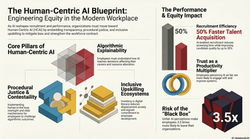
🤖 Responsible AI Governance Protects Trust: AI is powerful for personalizing benefits and guiding employees to relevant resources, but it must be governed with transparency and fairness to avoid biases and privacy breaches. Providing human oversight and opt-out options builds trust and dignity, ensuring technology amplifies rather than undermines support. This balance is critical as digital platforms become central to benefit delivery.
🔄 Adaptive Personalization Must Evolve Over Time: Employee needs evolve across career phases and life stages. Well-being ecosystems must be dynamic, continuously learning from employee input and usage patterns to provide relevant support. Static one-size-fits-all programs fail to capture this fluidity, whereas adaptive personalization maximizes impact and employee satisfaction.
💼 Integration Across Life and Work Enables Sustainability: The inclusion of caregiving support recognizes that employees’ non-work responsibilities profoundly influence career sustainability. Subsidies, backup care, paid leave, and flexible scheduling allow employees to maintain productivity and engagement without sacrificing family or personal obligations—key to sustaining diverse talent pools over time.
📈 Proactive Prevention is a Financial and Health Necessity: Rising healthcare costs and the burden of chronic diseases make prevention and proactive health management a financial imperative for employers. Investing in integrated physical health services such as screenings, vaccines, and disease management lowers sick days and healthcare costs, demonstrating a clear business return on wellness investments.
Like and share if this helps your benefits strategy — comment your biggest challenge below.
#EmployeeBenefits #WellnessEcosystem #HR2026 #MentalHealth #FinancialWellness
OUTLINE:
00:00:00 - A new era of employee well-being
00:01:23 - Pillars and forces reshaping benefits
00:03:14 - Capabilities for 2026 and how to start