top of page
Home
Bio
Pricing
Merch
Podcast Network
Advertise with Us
Be Our Guest
Academy
Learning Catalog
Learners at a Glance
The ROI of Certification
Corporate L&D Solutions
Research
Research Initiatives
Nexus Institute
Catalyst Center
Adadptive Organization Lab
Future of Work Collective
Renaissance Project
Collaboration Form
Research Models and Tools
Research One Sheets
Research Snapshots
Research Videos
Research Briefs
Free Educational Resources
HCL Review
Contribute to the HCL Review
HCL Review Archive
HCL Review Slide Decks and Infographics
HCL Review Process
HCL Review Reach and Impact
HCI Press
From HCI Academic Press
From HCI Popular Press
Publish with HCI Press
Free OER Texts
Our Impact
Invest with HCI
Industry Recognition
Philanthropic Impact
Kiva Lending Impact
More
Use tab to navigate through the menu items.
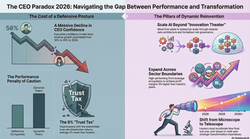
When High Performance Becomes a Career Trap: The Positioning Paradox in Modern Organizations
CATALYST CENTER FOR WORK INNOVATION
8 hours ago
18 min read
Championing the Strategic CHRO: How Human Resources Leaders Drive Organizational Success Through People-Centered Business Partnership
CATALYST CENTER FOR WORK INNOVATION
1 day ago
26 min read
Preparing Students for Multiple Futures: Why Higher Education Must Move Beyond Single-Career Models
CATALYST CENTER FOR WORK INNOVATION
2 days ago
20 min read
When Competence Becomes a Liability: The Psychological Erosion of High Performers in Toxic Work Environments
CATALYST CENTER FOR WORK INNOVATION
3 days ago
21 min read
From Surveillance to Trust: Building High-Performance Organizations Through Autonomy and Psychological Safety
CATALYST CENTER FOR WORK INNOVATION
4 days ago
27 min read
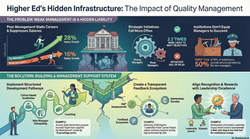
Leadership as a Growth Engine: Redefining Managerial Effectiveness Through Team Development
CATALYST CENTER FOR WORK INNOVATION
5 days ago
28 min read
Remote Work and Disability Employment: How Flexible Arrangements Are Reshaping Workplace Inclusion
CATALYST CENTER FOR WORK INNOVATION
6 days ago
24 min read
The Transatlantic AI Divide: Understanding Adoption Gaps and Their Economic Implications
NEXUS INSTITUTE FOR WORK AND AI
Aug 18
20 min read
Participative Leadership and Employee Creativity: Building Psychological Safety in the Modern Workplace
CATALYST CENTER FOR WORK INNOVATION
Aug 17
15 min read
AI-Driven Workforce Restructuring: The De-Coring Phenomenon and Its Implications for Sustainable Talent Development
NEXUS INSTITUTE FOR WORK AND AI
Aug 16
51 min read
Human Capital Leadership Review
It’s More than Just Physical: How Back Pain Can Impact Your Work Performance
2 hours ago
5 min read
Jabra Releases 2026 US Modern Workplace Report: Data Reveals 77% of Office Workers Face Time-Wasting Tech Issues Every Week
6 hours ago
4 min read
Employees Are Interrupted Every Two Minutes: James Hewitt on Why Attention Is the New Competitive Advantage
7 hours ago
7 min read
When High Performance Becomes a Career Trap: The Positioning Paradox in Modern Organizations
CATALYST CENTER FOR WORK INNOVATION
8 hours ago
18 min read
Championing the Strategic CHRO: How Human Resources Leaders Drive Organizational Success Through People-Centered Business Partnership
CATALYST CENTER FOR WORK INNOVATION
1 day ago
26 min read
Preparing Students for Multiple Futures: Why Higher Education Must Move Beyond Single-Career Models
CATALYST CENTER FOR WORK INNOVATION
2 days ago
20 min read
When Competence Becomes a Liability: The Psychological Erosion of High Performers in Toxic Work Environments
CATALYST CENTER FOR WORK INNOVATION
3 days ago
21 min read
From Surveillance to Trust: Building High-Performance Organizations Through Autonomy and Psychological Safety
CATALYST CENTER FOR WORK INNOVATION
4 days ago
27 min read
Build a Home Office That Wins Clients and Keeps Your Business Running
5 days ago
6 min read
1
2
3
4
5
HCL Review Research Videos
HCL Review Research Infographics
Blog: HCI Blog
Human Capital Leadership Review
Featuring scholarly and practitioner insights from HR and people leaders, industry experts, and researchers.
Human Capital Innovations
Play Video
Play Video
07:53
The Transmission Belt
In a modern landscape of rapid technological and geopolitical change, organizations must prioritize strategic flexibility to ensure long-term survival and competitive success. This research explains that high-performance work systems act as the essential bridge, translating a company's adaptable goals into tangible results through selective staffing and continuous development. Furthermore, the research highlights how inclusive leadership and psychological safety foster a culture where employees can effectively navigate uncertainty. By evolving traditional employment contracts into growth-oriented partnerships, firms can cultivate the cognitive and behavioral agility needed for innovation. Ultimately, the research suggests that people-centered HR strategies are the primary drivers of resilience in volatile markets.
Play Video
Play Video
03:42
The Kinetic Blueprint
In a modern landscape of rapid technological and geopolitical change, organizations must prioritize strategic flexibility to ensure long-term survival and competitive success. This research explains that high-performance work systems act as the essential bridge, translating a company's adaptable goals into tangible results through selective staffing and continuous development. Furthermore, the research highlights how inclusive leadership and psychological safety foster a culture where employees can effectively navigate uncertainty. By evolving traditional employment contracts into growth-oriented partnerships, firms can cultivate the cognitive and behavioral agility needed for innovation. Ultimately, the research suggests that people-centered HR strategies are the primary drivers of resilience in volatile markets.
Play Video
Play Video
38:32
A Conversation about Unlocking Organizational Agility Through Strategic Flexibility and Innovativ...
In a modern landscape of rapid technological and geopolitical change, organizations must prioritize strategic flexibility to ensure long-term survival and competitive success. This research explains that high-performance work systems act as the essential bridge, translating a company's adaptable goals into tangible results through selective staffing and continuous development. Furthermore, the research highlights how inclusive leadership and psychological safety foster a culture where employees can effectively navigate uncertainty. By evolving traditional employment contracts into growth-oriented partnerships, firms can cultivate the cognitive and behavioral agility needed for innovation. Ultimately, the research suggests that people-centered HR strategies are the primary drivers of resilience in volatile markets. See Privacy Policy at https://art19.com/privacy and California Privacy Notice at https://art19.com/privacy#do-not-sell-my-info.
Play Video
Play Video
21:34
A Debate about Unlocking Organizational Agility Through Strategic Flexibility and Innovative HR
In a modern landscape of rapid technological and geopolitical change, organizations must prioritize strategic flexibility to ensure long-term survival and competitive success. This research explains that high-performance work systems act as the essential bridge, translating a company's adaptable goals into tangible results through selective staffing and continuous development. Furthermore, the research highlights how inclusive leadership and psychological safety foster a culture where employees can effectively navigate uncertainty. By evolving traditional employment contracts into growth-oriented partnerships, firms can cultivate the cognitive and behavioral agility needed for innovation. Ultimately, the research suggests that people-centered HR strategies are the primary drivers of resilience in volatile markets. See Privacy Policy at https://art19.com/privacy and California Privacy Notice at https://art19.com/privacy#do-not-sell-my-info.
Play Video
Play Video
08:54
The Efficiency Illusion - Reclaiming the Higher Education Mission
This research explores the systemic shift toward corporatization within American higher education, where business-oriented metrics and administrative expansion increasingly overshadow traditional academic missions. The analysis details how market-driven pressures, such as declining state funding and demographic shifts, have led to a reliance on precarious adjunct labor and the erosion of liberal arts programs. These changes have created a wellbeing crisis for faculty and transformed the student experience into a transactional, debt-heavy investment. However, the research highlights resilient institutional models—such as those at Arizona State and Purdue—that successfully balance financial sustainability with educational integrity. Ultimately, the research advocates for reclaiming the human element of schooling through transparent governance, sustainable staffing, and accountability frameworks rooted in genuine learning. Rebuilding the psychological contract between universities and their communities is presented as essential for preserving higher education’s role as a public good.
Play Video
Play Video
03:02
Structural Recalibration
This research explores the systemic shift toward corporatization within American higher education, where business-oriented metrics and administrative expansion increasingly overshadow traditional academic missions. The analysis details how market-driven pressures, such as declining state funding and demographic shifts, have led to a reliance on precarious adjunct labor and the erosion of liberal arts programs. These changes have created a wellbeing crisis for faculty and transformed the student experience into a transactional, debt-heavy investment. However, the research highlights resilient institutional models—such as those at Arizona State and Purdue—that successfully balance financial sustainability with educational integrity. Ultimately, the research advocates for reclaiming the human element of schooling through transparent governance, sustainable staffing, and accountability frameworks rooted in genuine learning. Rebuilding the psychological contract between universities and their communities is presented as essential for preserving higher education’s role as a public good.
Play Video
Play Video
21:09
A Debate about Moving Beyond the Bottom Line: Reclaiming the University Mission
This research explores the systemic shift toward corporatization within American higher education, where business-oriented metrics and administrative expansion increasingly overshadow traditional academic missions. The analysis details how market-driven pressures, such as declining state funding and demographic shifts, have led to a reliance on precarious adjunct labor and the erosion of liberal arts programs. These changes have created a wellbeing crisis for faculty and transformed the student experience into a transactional, debt-heavy investment. However, the research highlights resilient institutional models—such as those at Arizona State and Purdue—that successfully balance financial sustainability with educational integrity. Ultimately, the research advocates for reclaiming the human element of schooling through transparent governance, sustainable staffing, and accountability frameworks rooted in genuine learning. Rebuilding the psychological contract between universities and their communities is presented as essential for preserving higher education’s role as a public good. See Privacy Policy at https://art19.com/privacy and California Privacy Notice at https://art19.com/privacy#do-not-sell-my-info.
Play Video
Play Video
34:51
A Conversation about Moving Beyond the Bottom Line: Reclaiming the University Mission
This research explores the systemic shift toward corporatization within American higher education, where business-oriented metrics and administrative expansion increasingly overshadow traditional academic missions. The analysis details how market-driven pressures, such as declining state funding and demographic shifts, have led to a reliance on precarious adjunct labor and the erosion of liberal arts programs. These changes have created a wellbeing crisis for faculty and transformed the student experience into a transactional, debt-heavy investment. However, the research highlights resilient institutional models—such as those at Arizona State and Purdue—that successfully balance financial sustainability with educational integrity. Ultimately, the research advocates for reclaiming the human element of schooling through transparent governance, sustainable staffing, and accountability frameworks rooted in genuine learning. Rebuilding the psychological contract between universities and their communities is presented as essential for preserving higher education’s role as a public good. See Privacy Policy at https://art19.com/privacy and California Privacy Notice at https://art19.com/privacy#do-not-sell-my-info.
HCL Review Articles
All Articles
Nexus Institute for Work and AI
Catalyst Center for Work Innovation
Adaptive Organization Lab
Work Renaissance Project
Research Briefs
Research Insights
Webinar Recaps
Book Reviews
Transformative Social impact
Search
Sep 5, 2025
6 min read
CATALYST CENTER FOR WORK INNOVATION
How Our Careers Impact Our Families
bottom of page